Most Blue Skies
Most Blue Skies is a computer-generated installation by Joshua Portway and Lise Autogena that attempts to find “the bluest skies” in the world. I worked as Chief Programmer on this project.
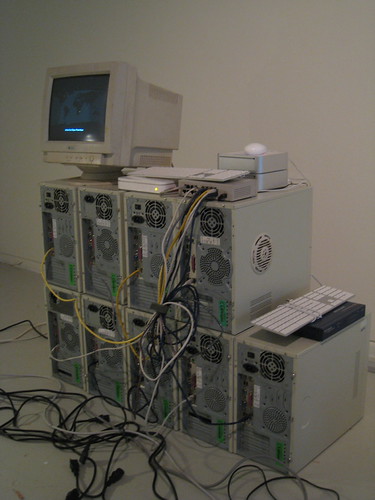
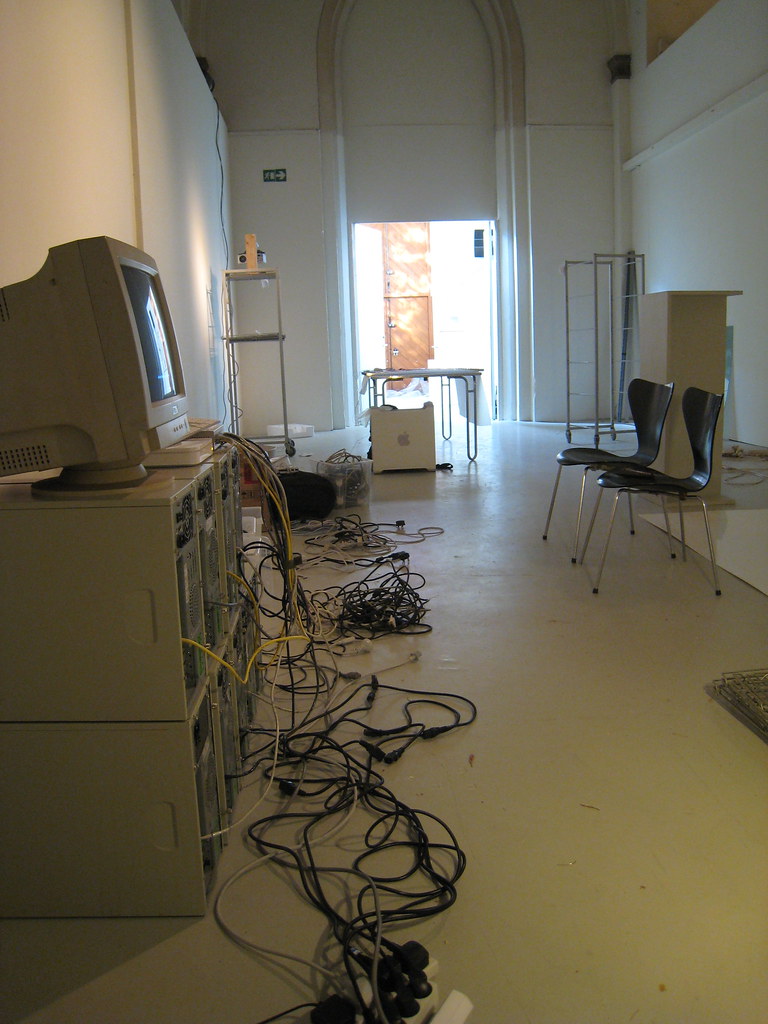
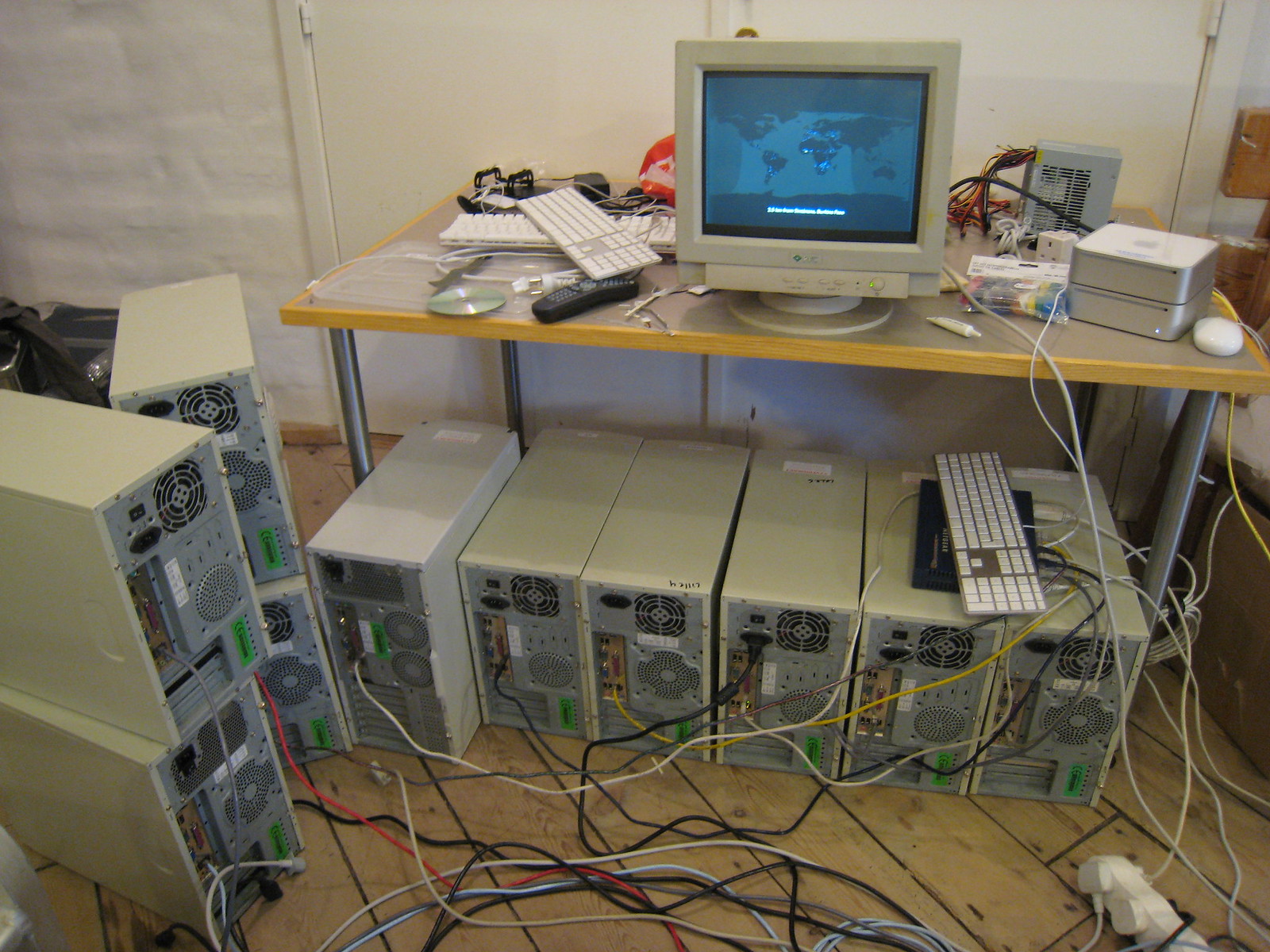
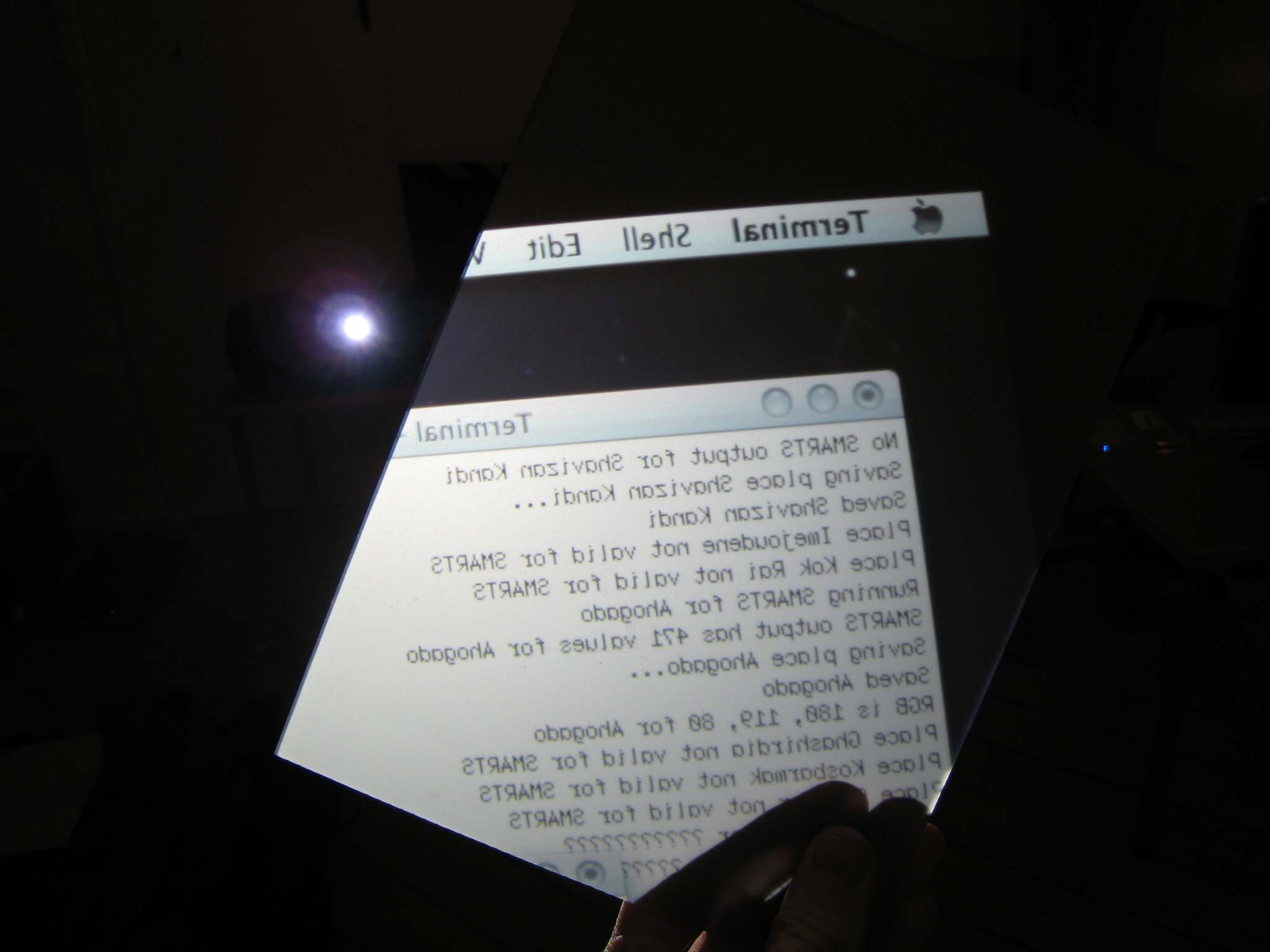
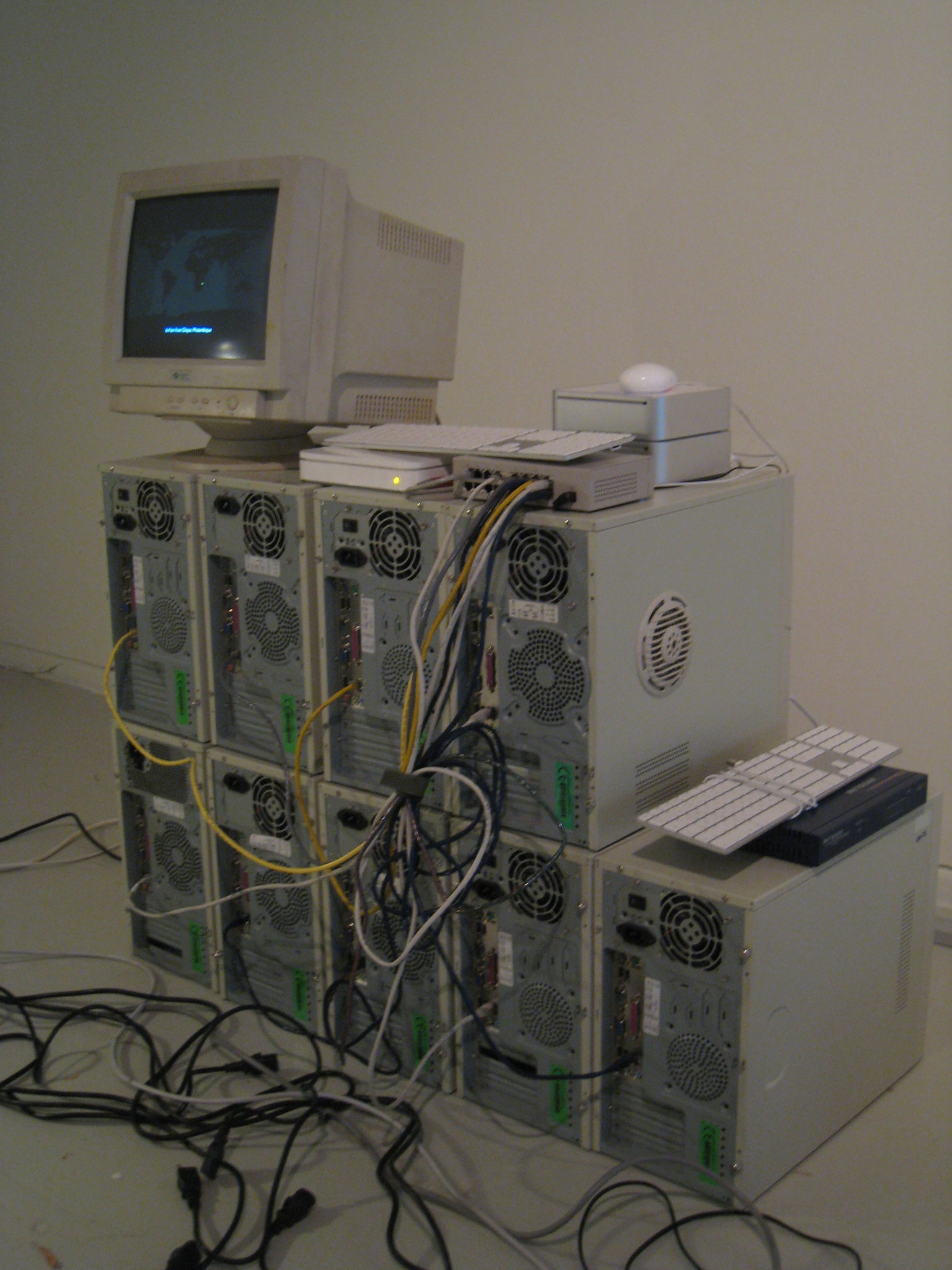
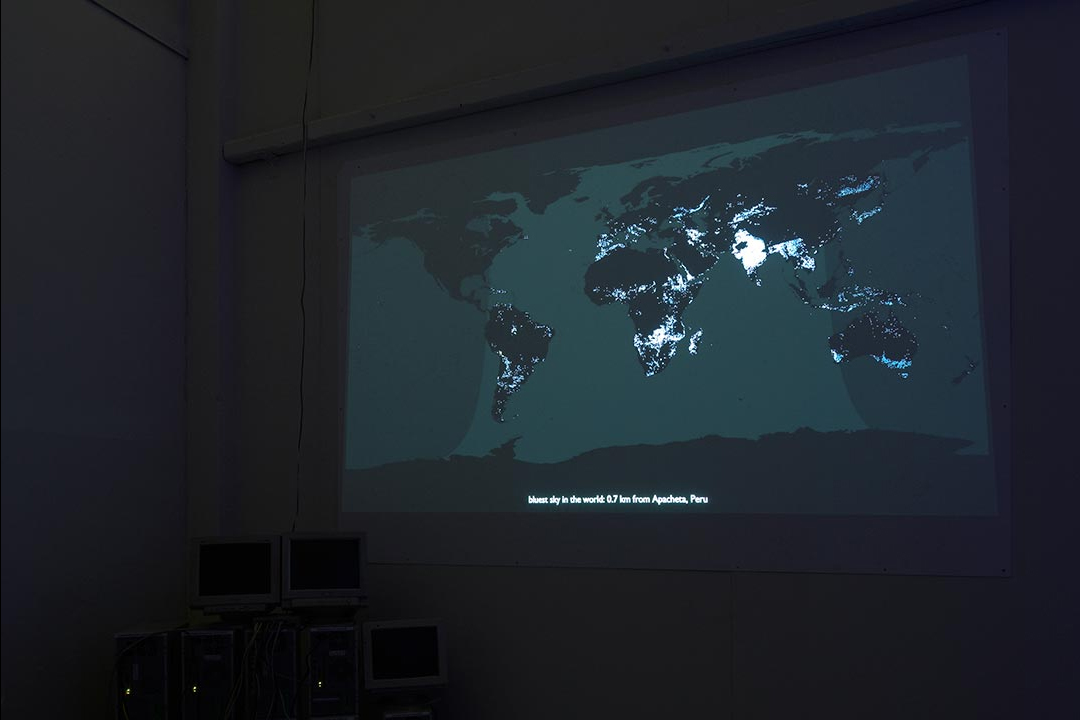
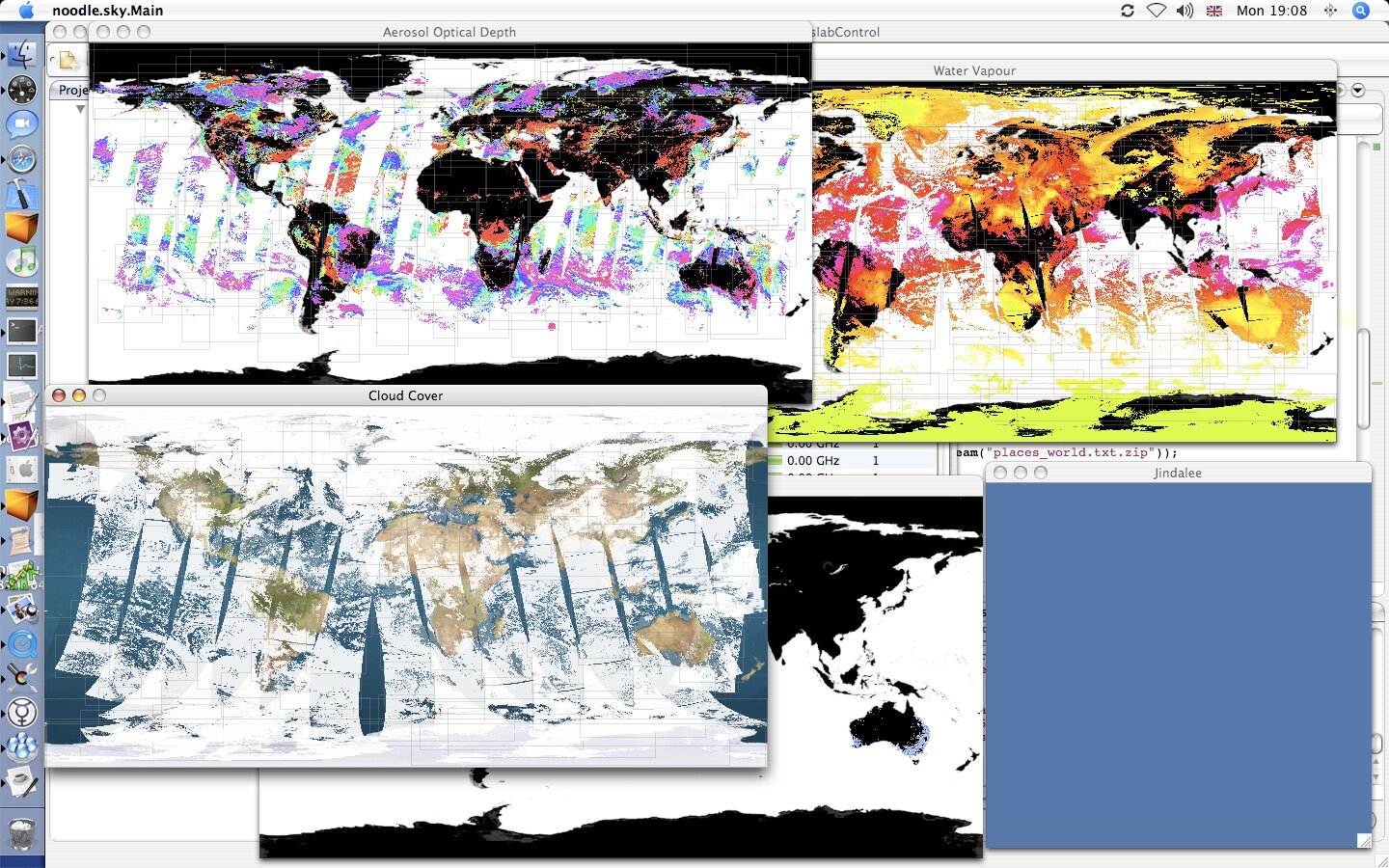
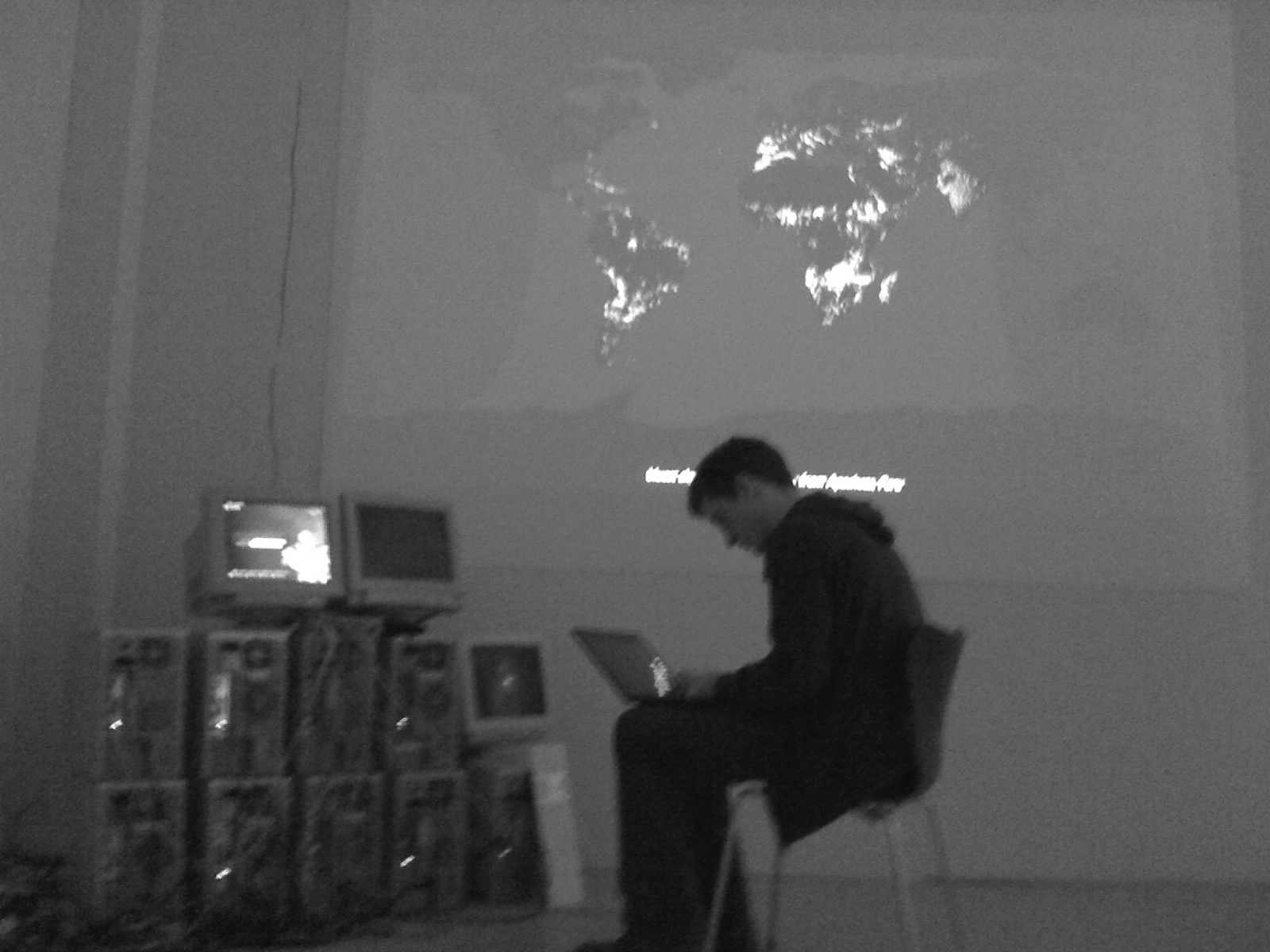
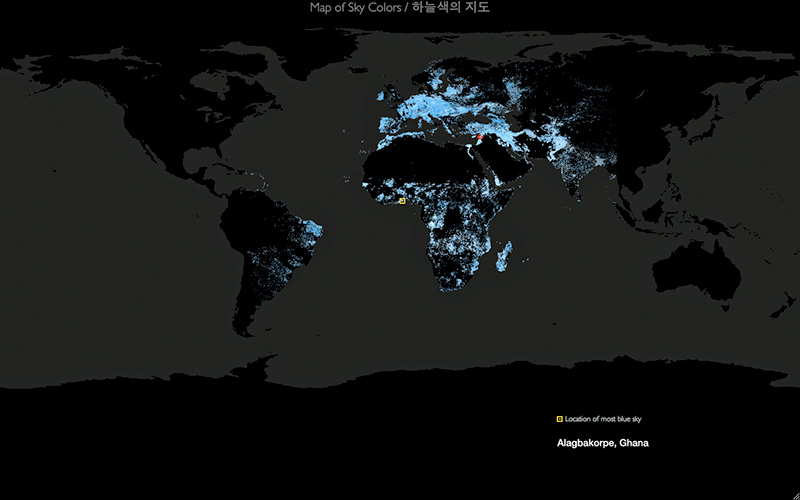
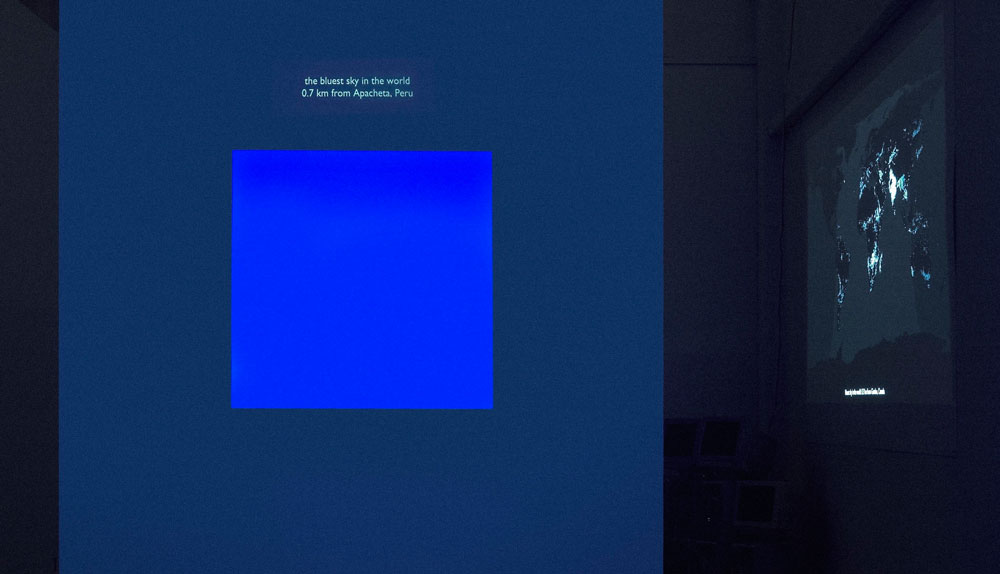
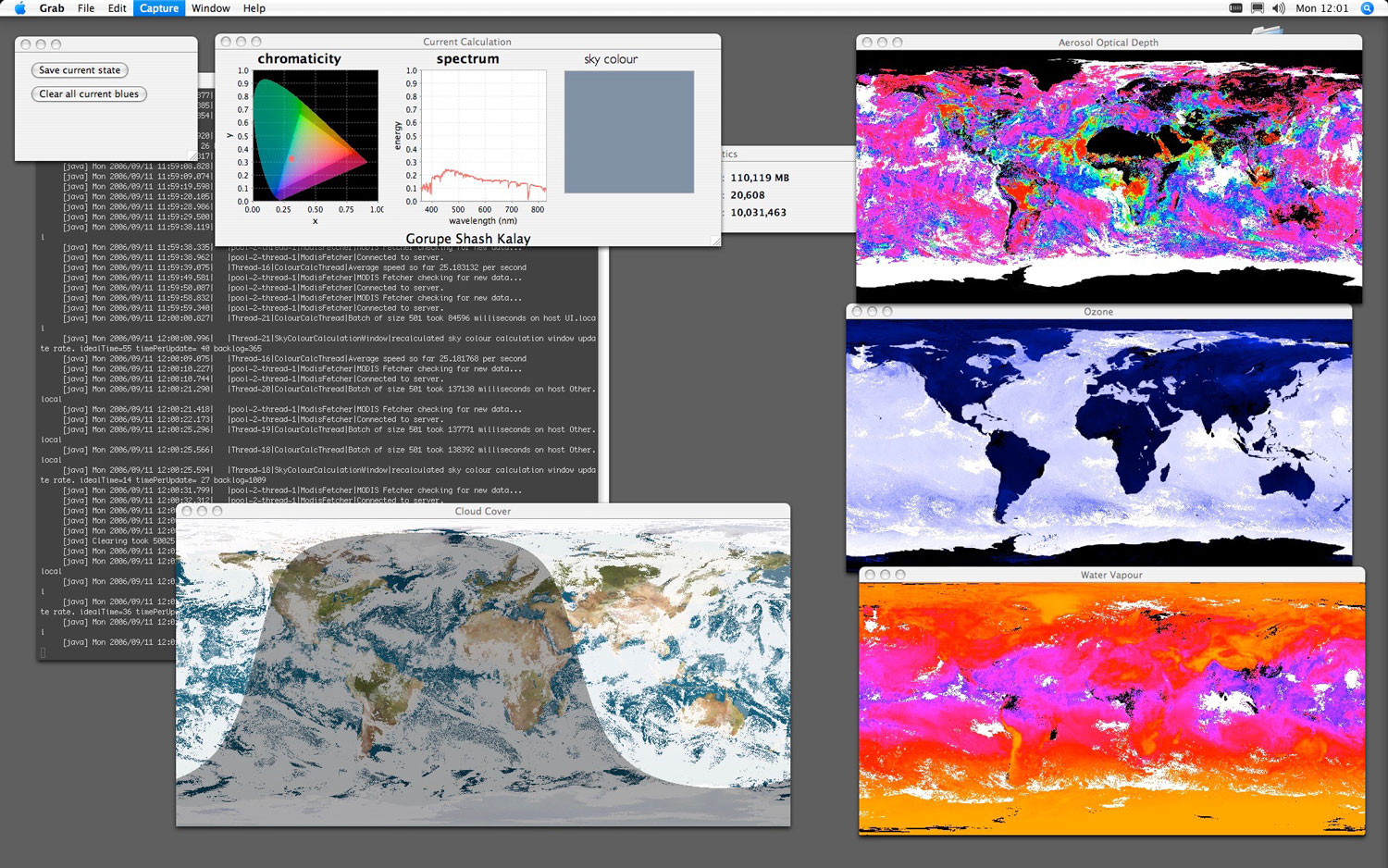
Most Blue Skies used several datasets from NASA’s MODIS and MISR satellites. This data is processed and combined with fixed geographic and land-use datasets, then fed into Christ Gueymard’s SMARTS atmospheric radiative transfer model to produce photon energy levels at different wavelengths. Those energy levels can be converted into another colour model, such as RGB, for display. Within the gallery, several computers continuously download and process satellite data. That data is streamed to another bank of computers that recalculate sky colours across the world as quickly as possible. Visitors can see the “bluest” sky in the world recreated in the gallery or view the current sky colours of places they know.
The first iteration of Most Blue Skies was commissioned for The International Gwangju Biennale, South Korea in 2006.
Most Blue Skies II was commissioned for the COP15 UN Climate Summit at RETHINK CLIMATE, Nikolaj Copenhagen Contemporary Art Centre.
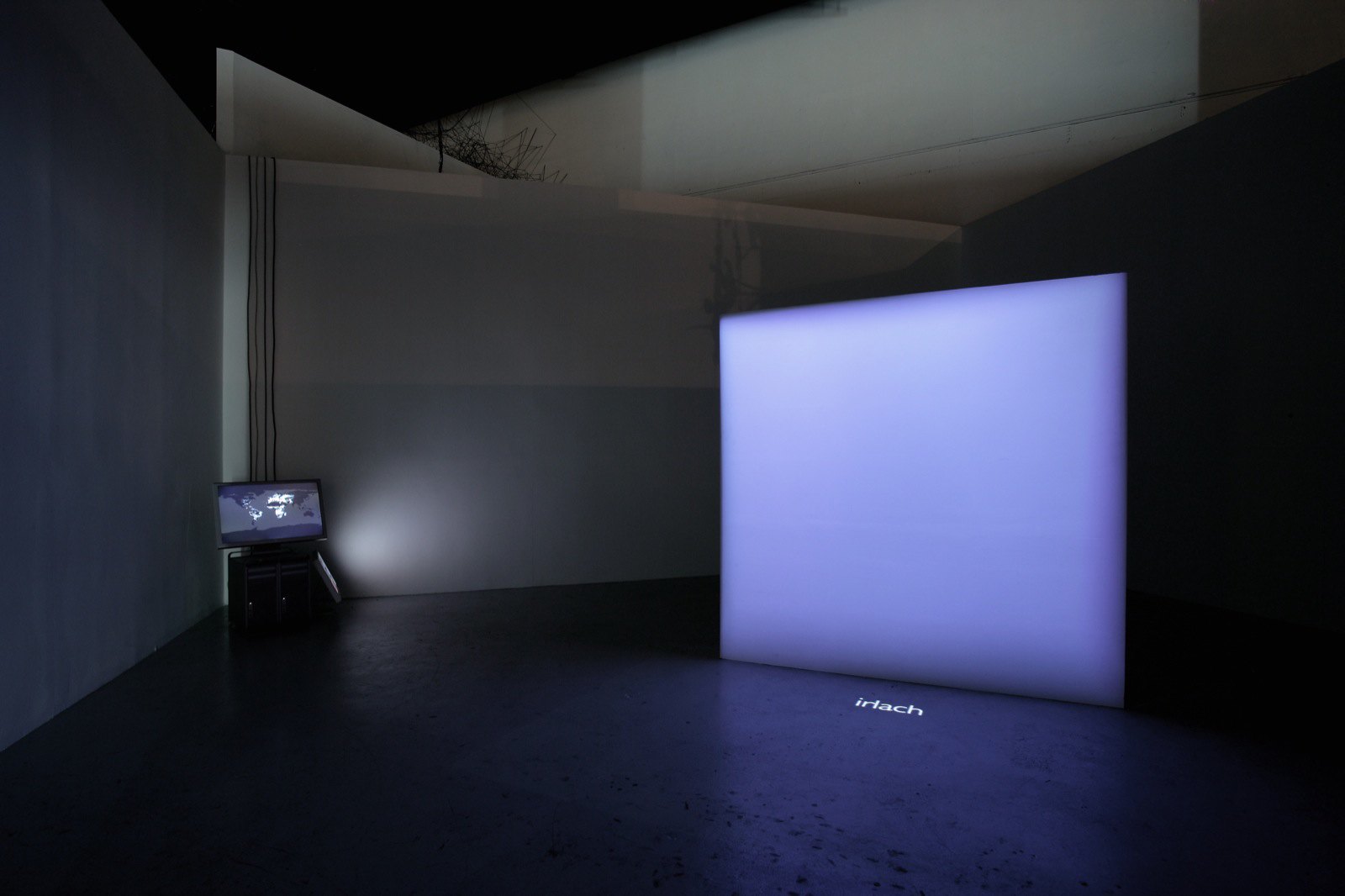
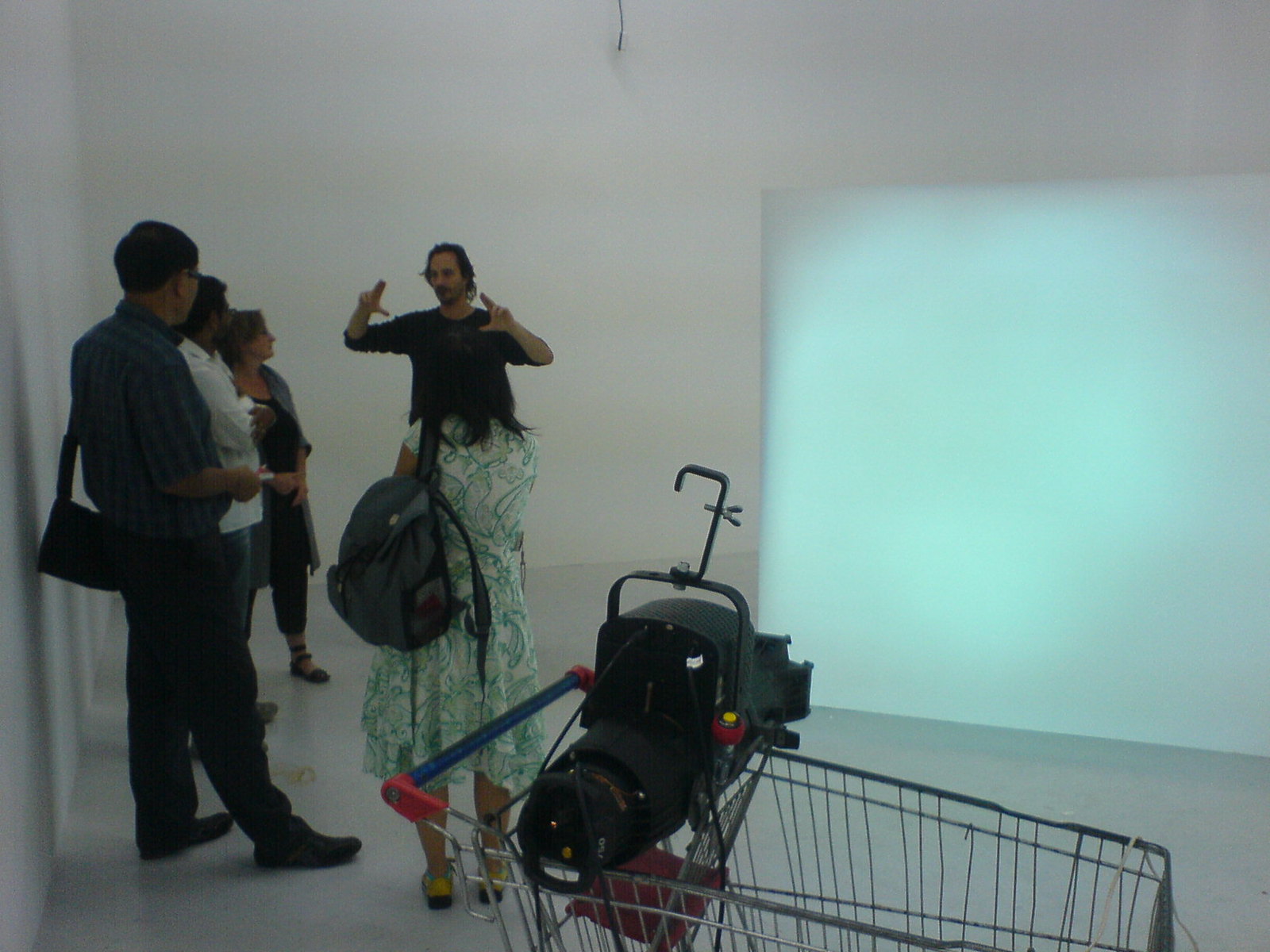
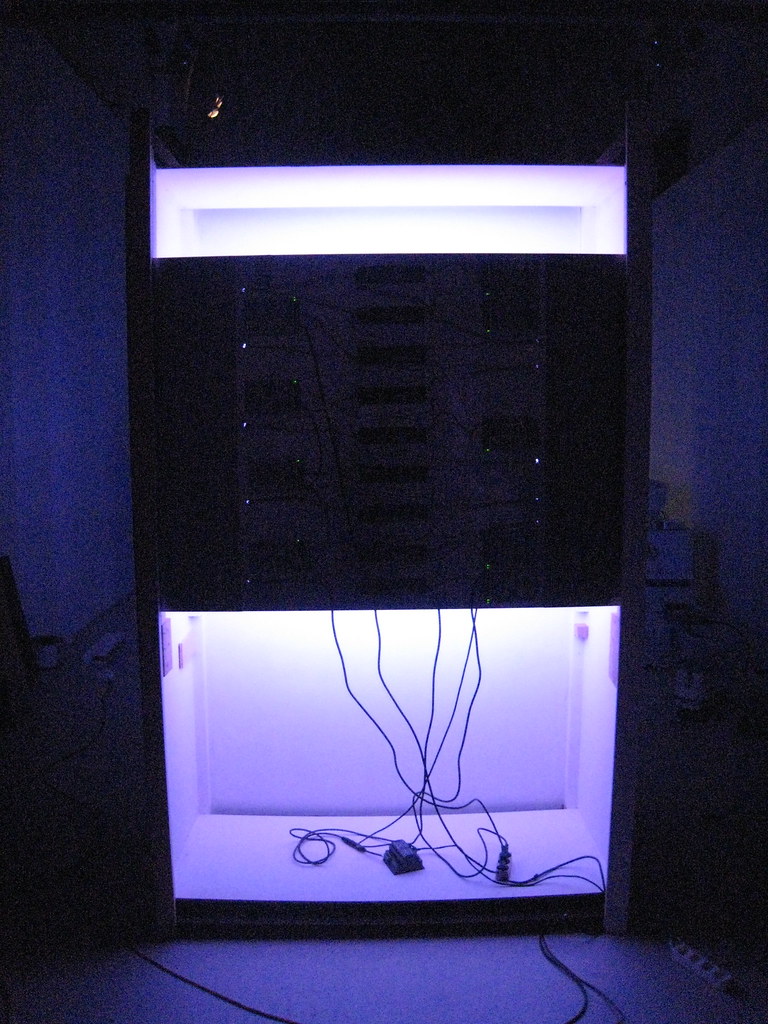
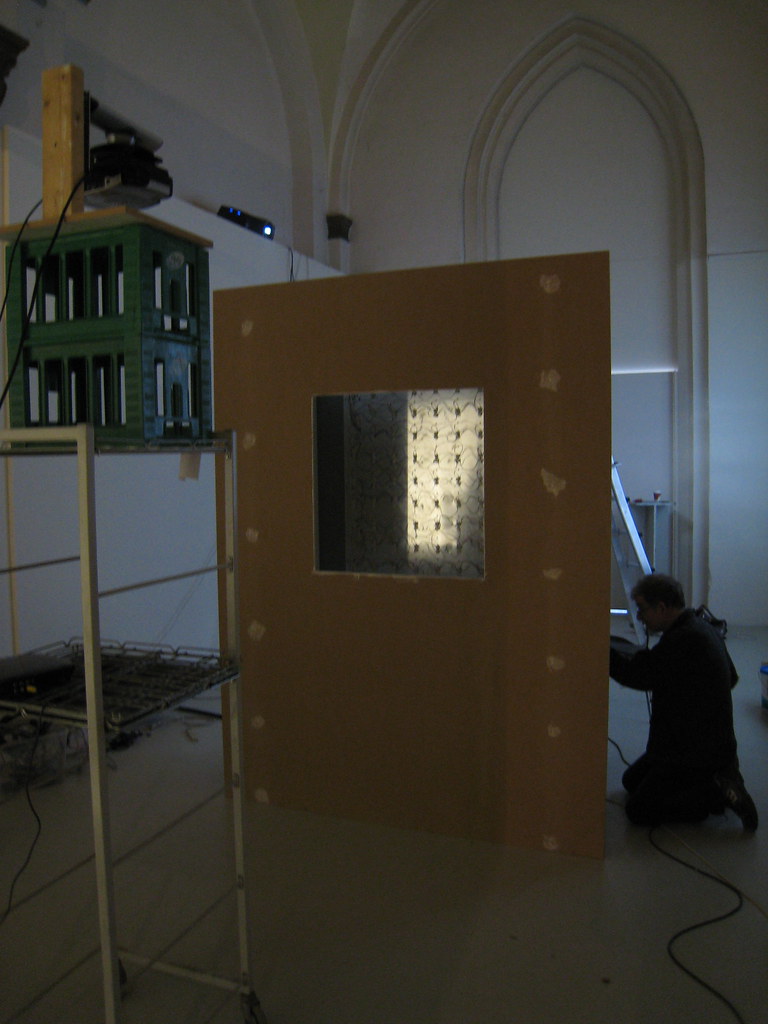
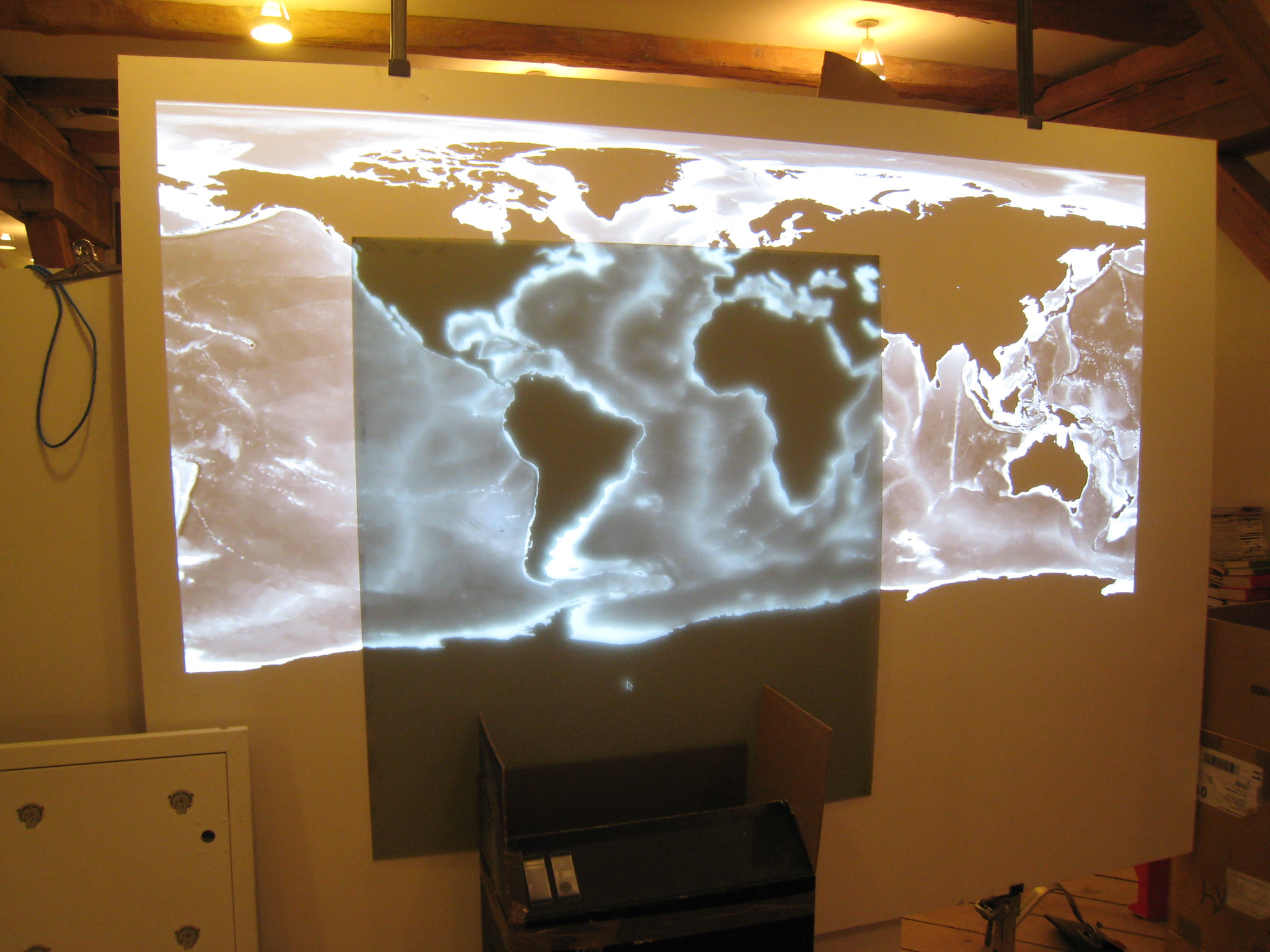
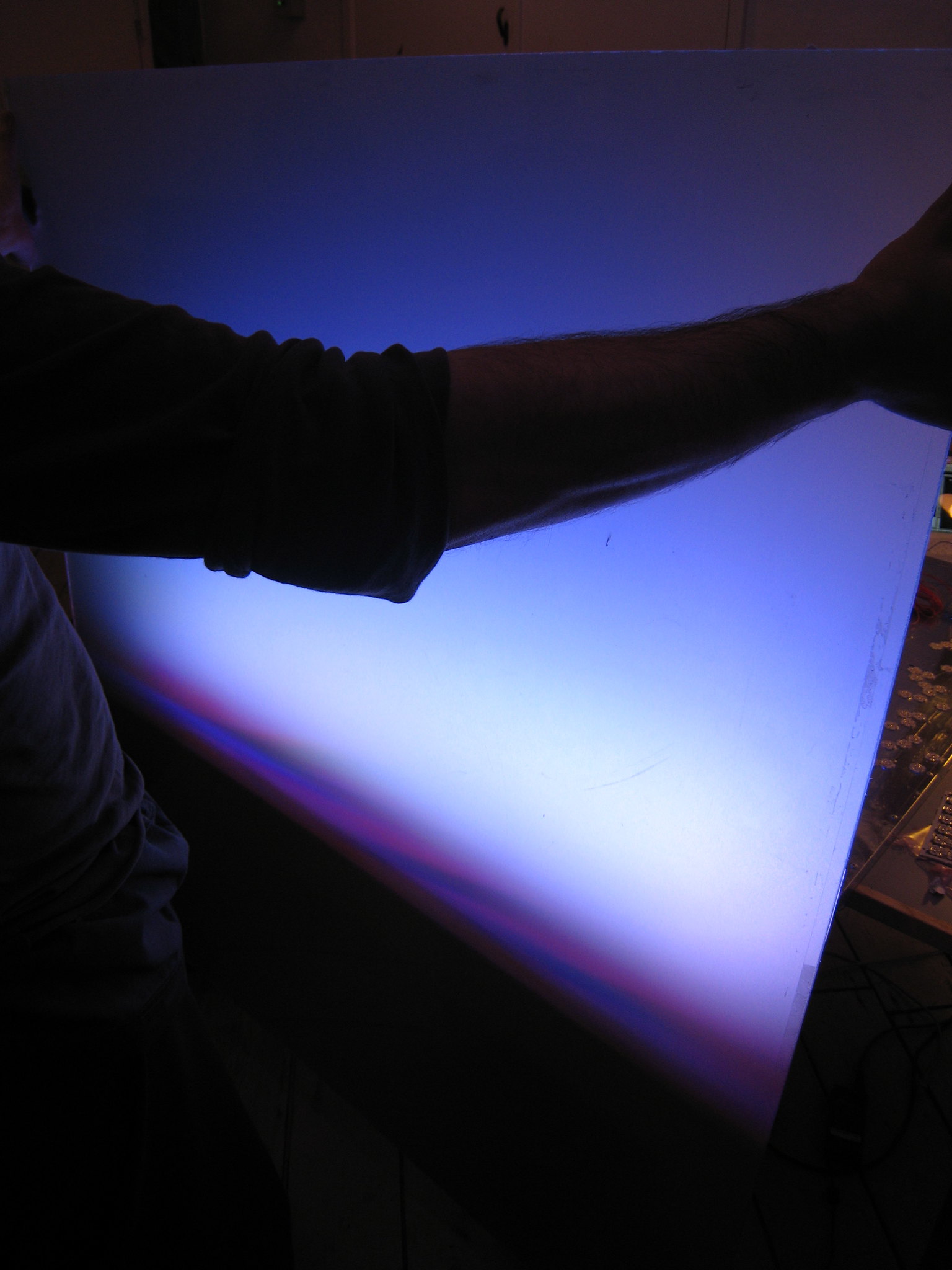
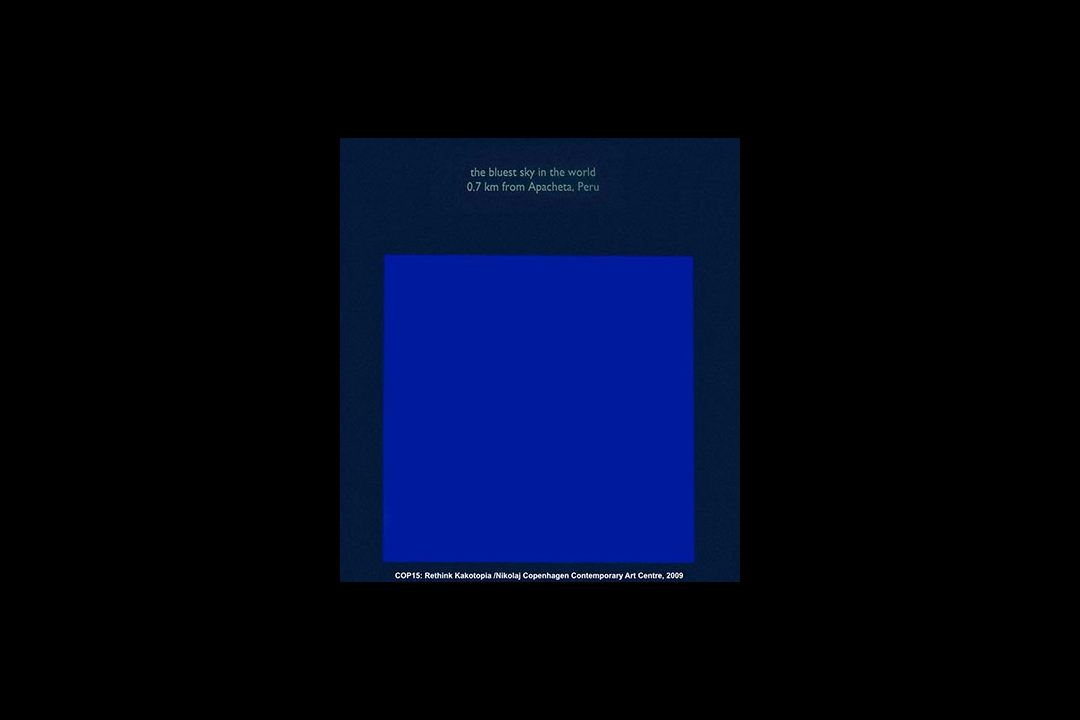
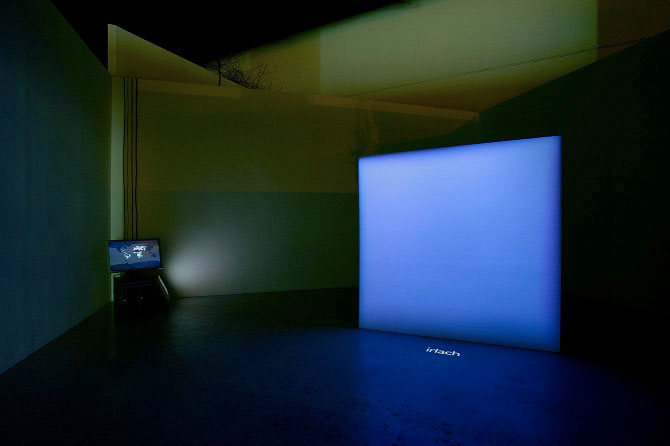
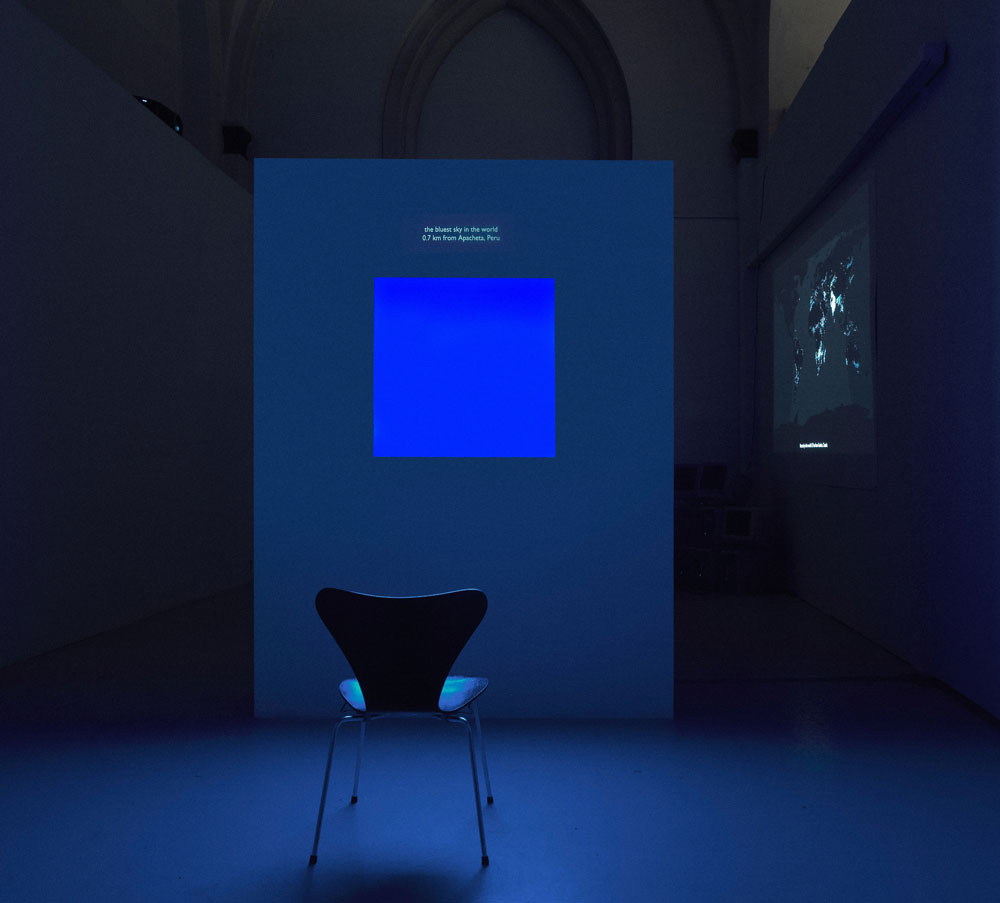
For the first showing, a DMX-controlled RGB stage light projected the sky colour onto a large freestanding square wall. Visitors could walk behind it to view the bank of colour-calculating computers and a map of current sky colours across the Earth.
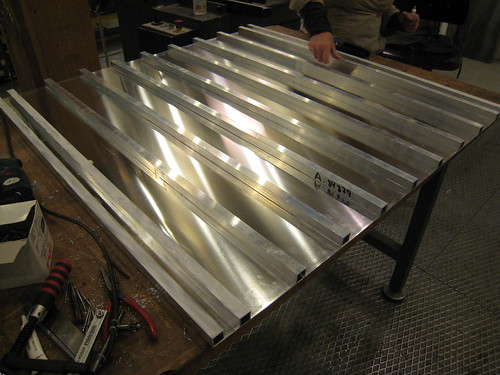
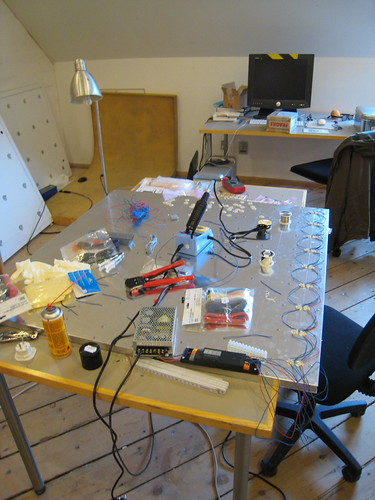
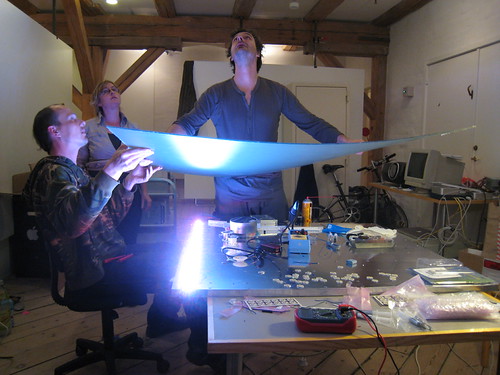
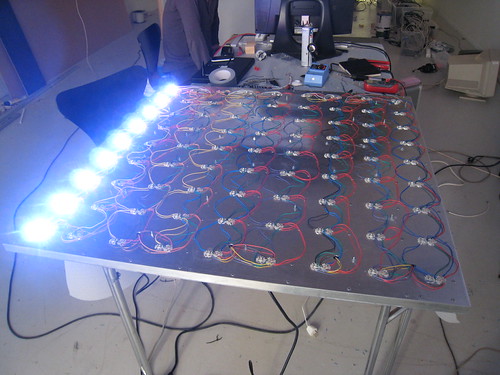
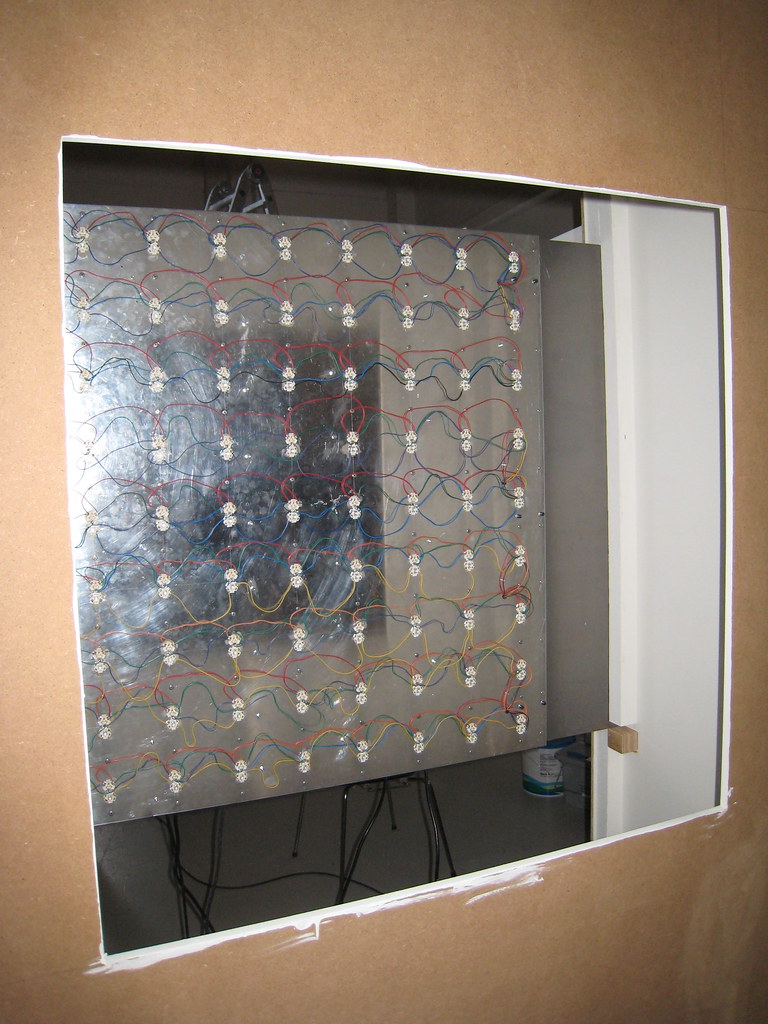
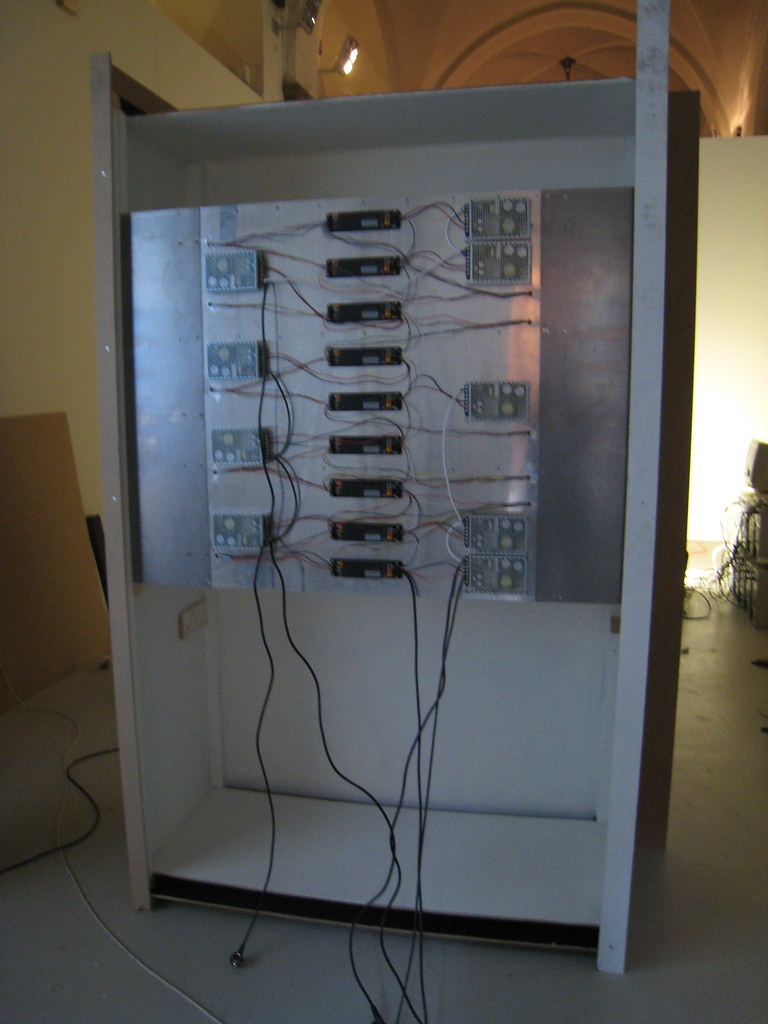
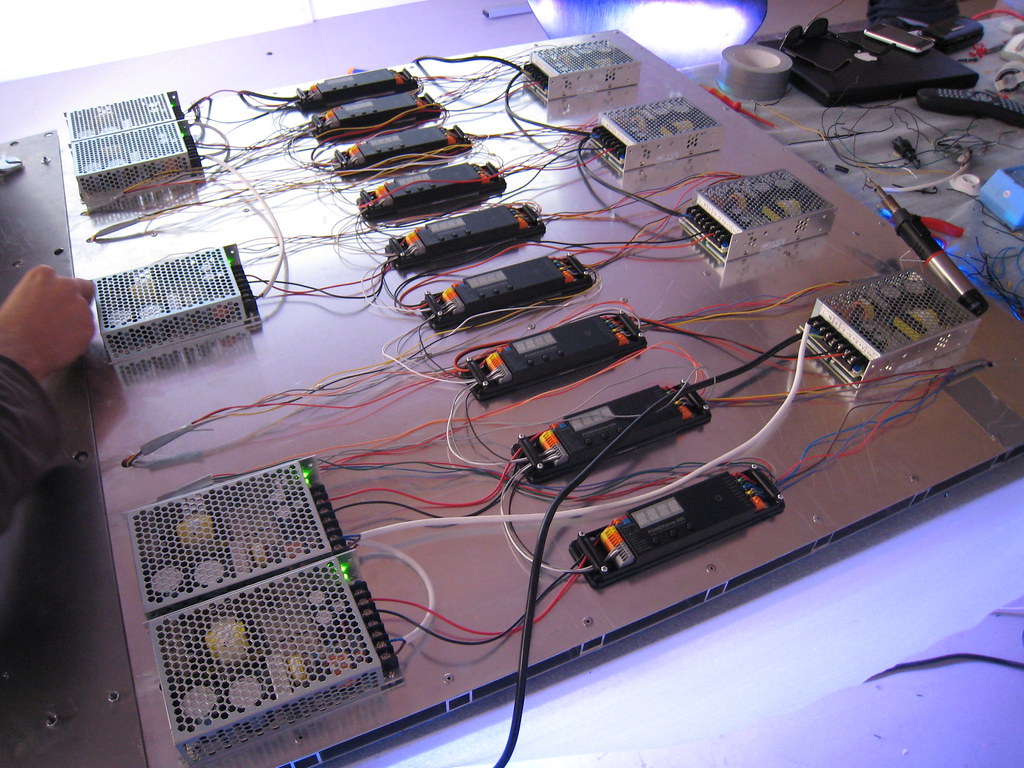
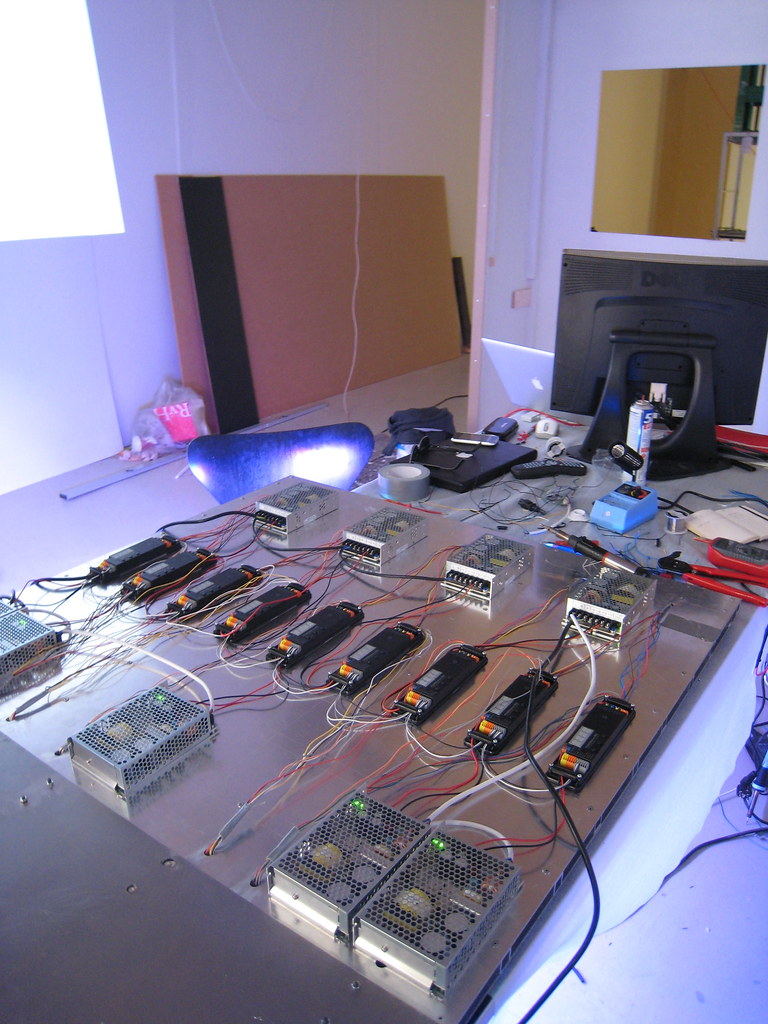
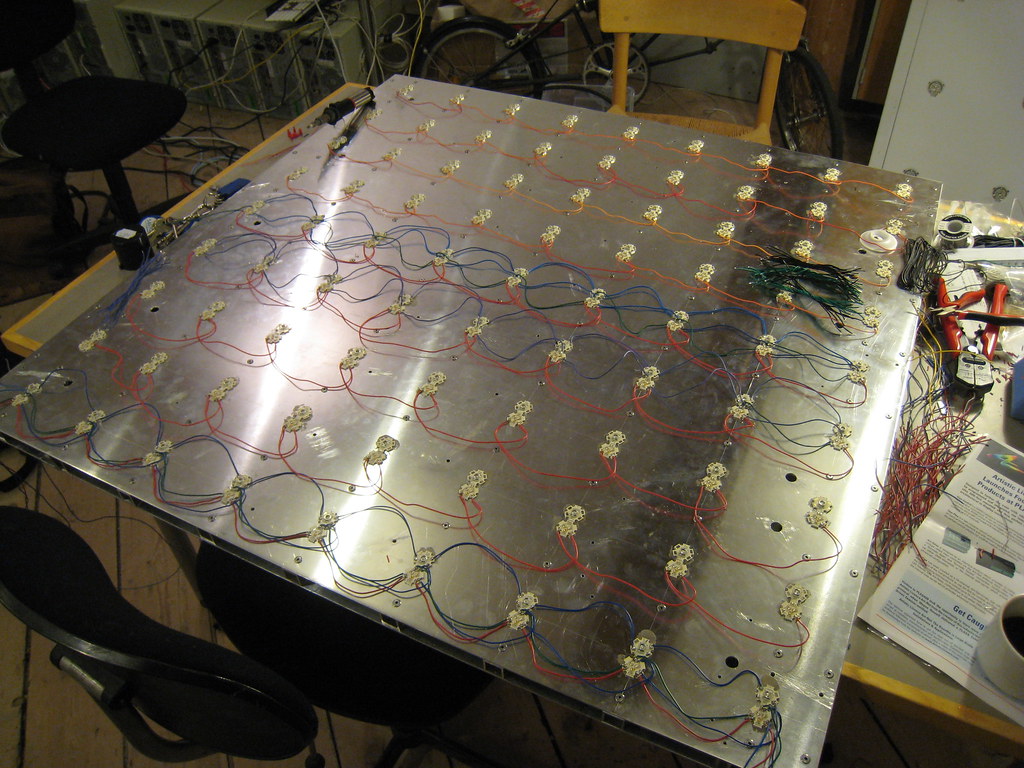
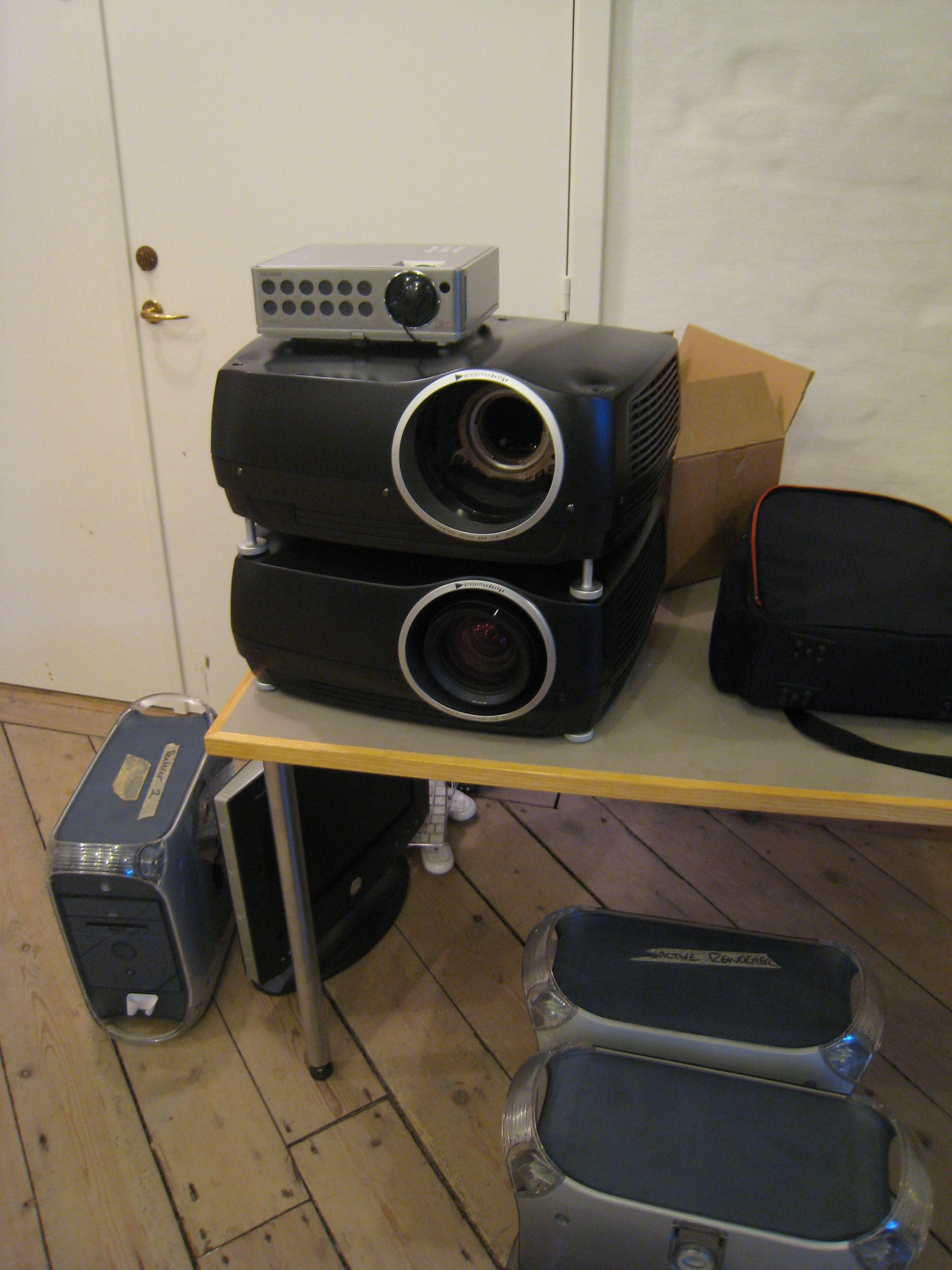
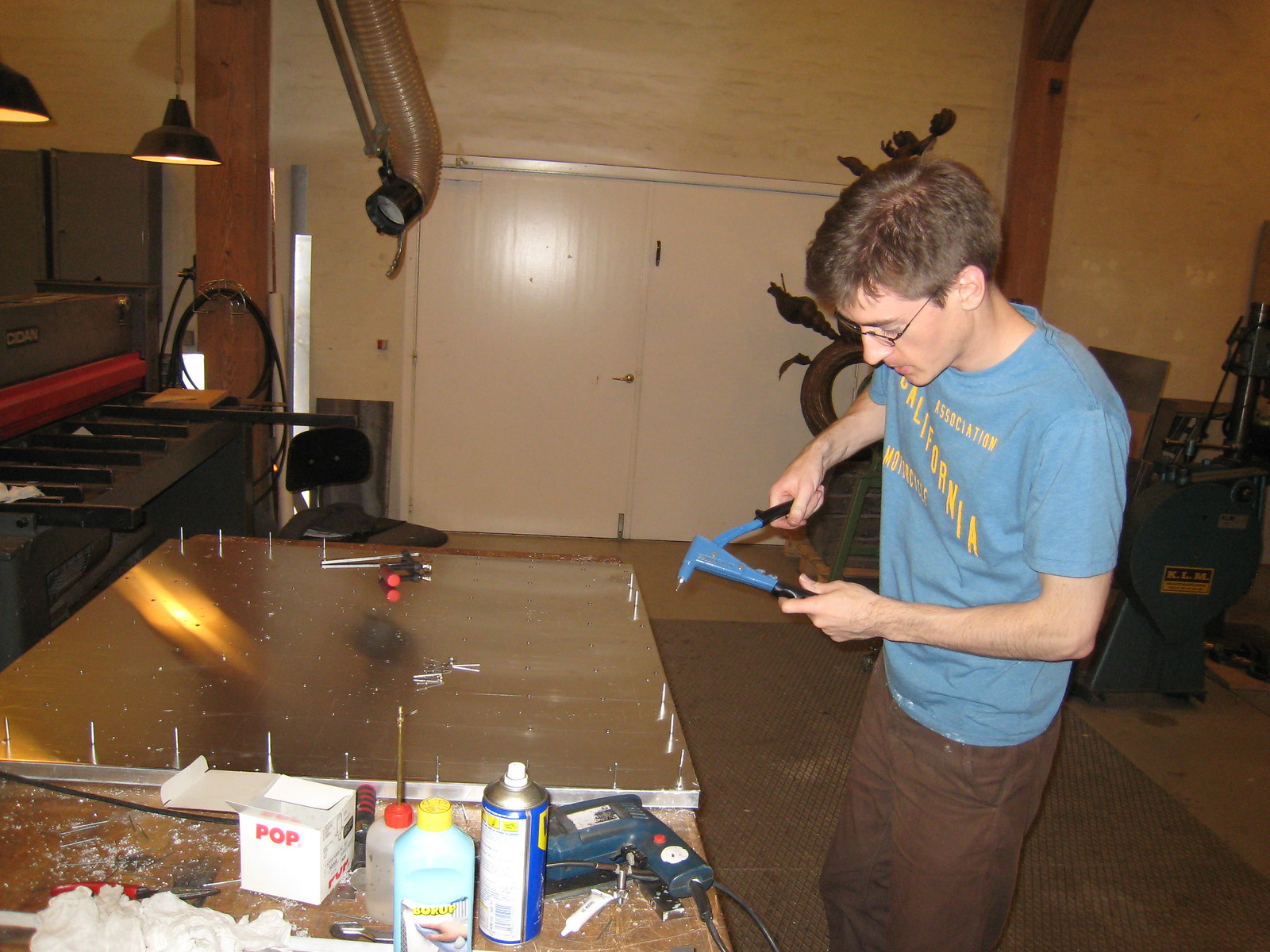
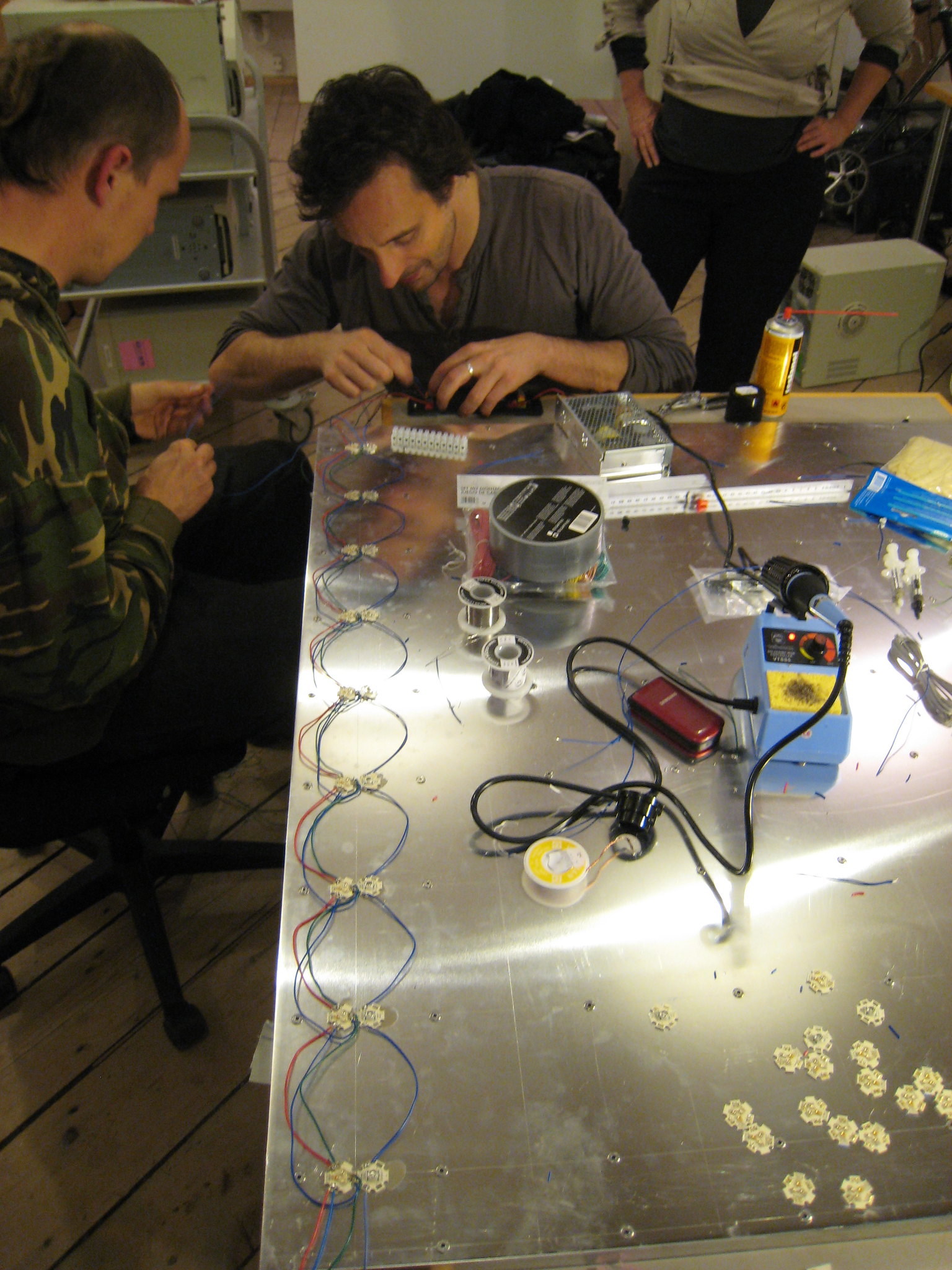
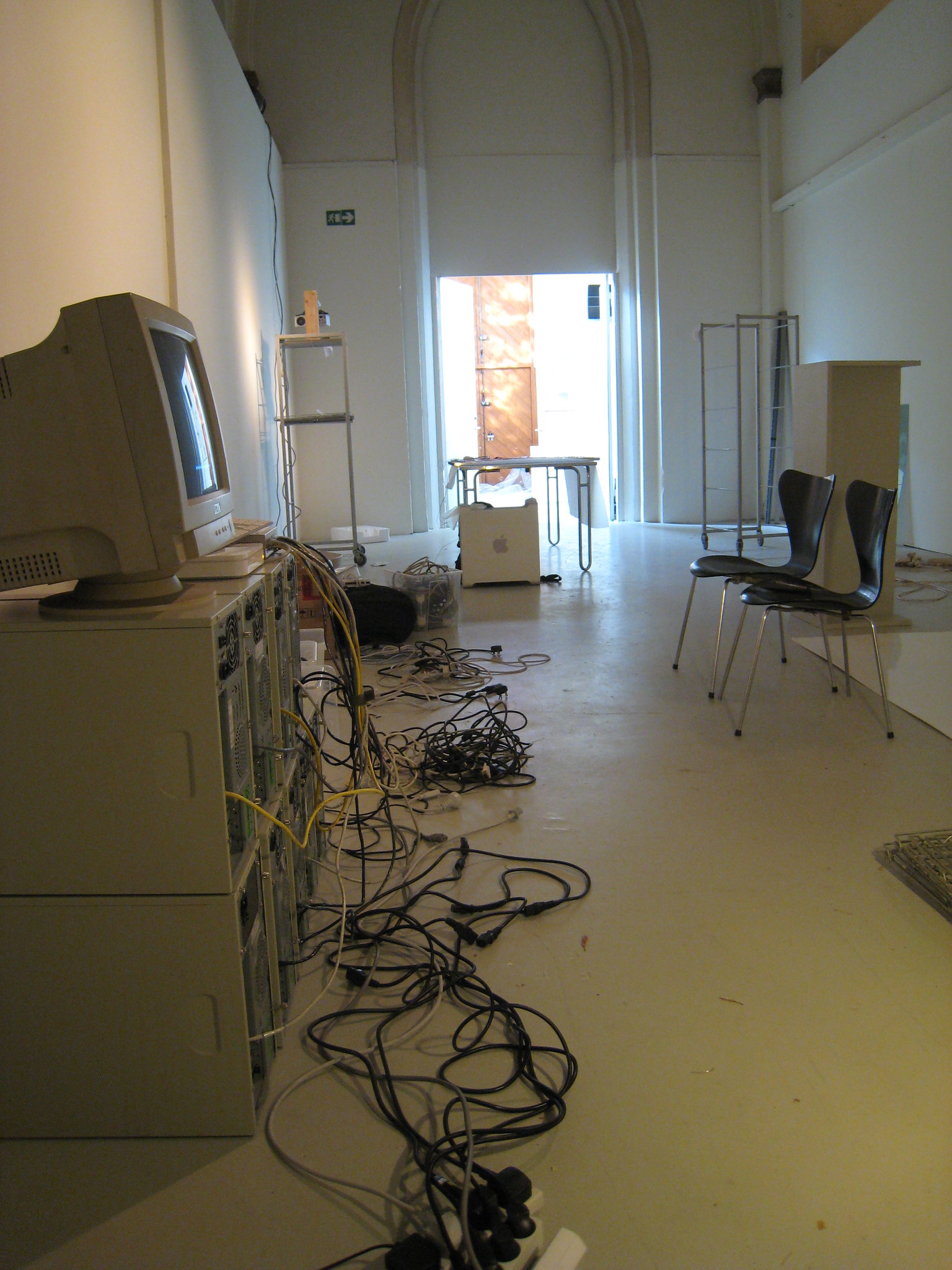
For Most Blue Skies II, a cluster of once-discarded PCs continuously processed satellite data and calculated sky colours. A powerful LED light was constructed and set into a window-pane structure at the centre of the gallery.